
Grams to Calories Calculator
Enter carbohydrate, protein, fat, and alcohol amounts, then click Calculate.
Inputs
Results
Step-by-step derivation
References
- Carbohydrate: 4 kcal per gram
- Protein: 4 kcal per gram
- Fat: 9 kcal per gram
- Alcohol: 7 kcal per gram
- 1 ounce = 28.3495 grams
Nutrition information often lists carbohydrate, protein, fat, and alcohol in grams, while food energy is displayed in Calories. The Grams to Calories Calculator connects these values by estimating how many Calories each energy-providing component contributes and combining them into one total.
What Does the Grams to Calories Calculator Convert?
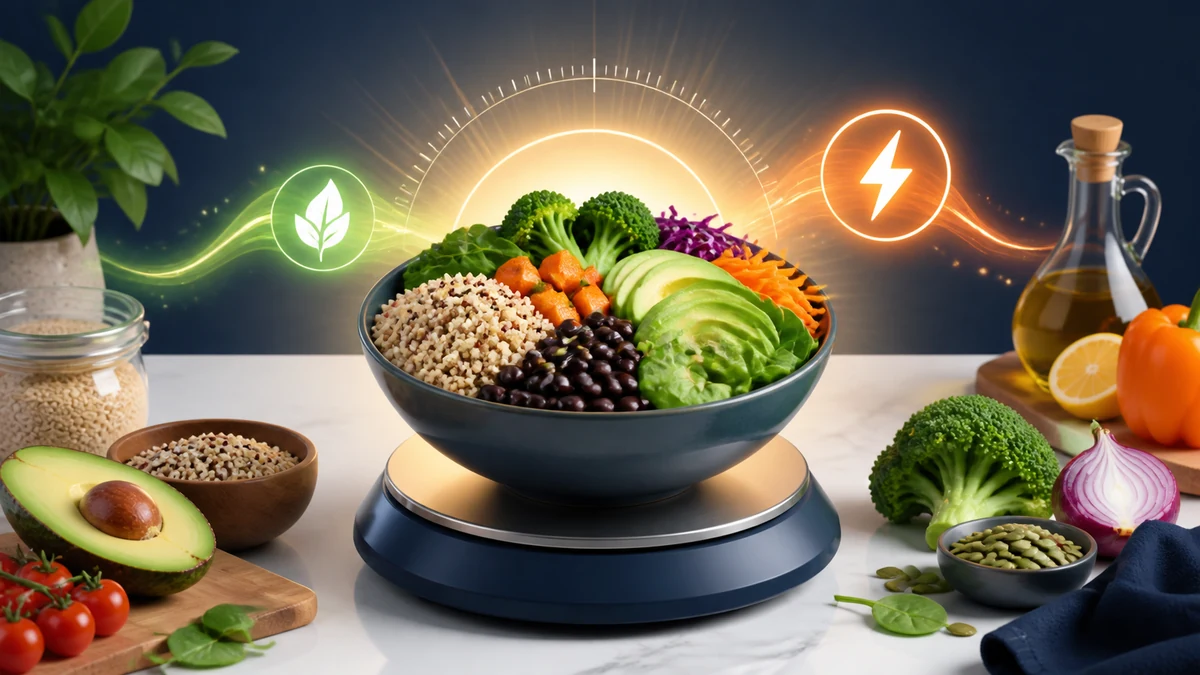
The Grams to Calories Calculator converts grams or ounces of carbohydrate, protein, fat, and alcohol into kilocalories. You can enter one component or combine several to estimate the total energy represented by the entered amounts.
- Carbohydrate: 4 kcal per gram
- Protein: 4 kcal per gram
- Fat: 9 kcal per gram
- Alcohol: 7 kcal per gram
In food and nutrition, one capital-C Calorie is equivalent to one kilocalorie, written as kcal. Therefore, a result of 200 kcal may also be described as 200 food Calories.
Enter Macronutrient Grams, Not Total Food Weight
Enter the grams of carbohydrate, protein, fat, or alcohol shown in a recipe analysis or nutrition label. Do not enter the entire weight of the food unless that number specifically represents one of these components.
For example, a 100-gram serving of yogurt is not necessarily 100 grams of carbohydrate or protein. Its total weight may include water, minerals, and other components. Check the nutrition information for the actual macronutrient amounts.
How to Use the Grams to Calories Calculator
- Find the carbohydrate, protein, fat, and alcohol amounts for the food or meal.
- Enter each available amount in its corresponding field.
- Select grams or ounces for each entered value.
- Leave unused fields blank; they will be treated as zero.
- Click Calculate to see the individual and total Calories.
- Review the step-by-step derivation to confirm how the result was calculated.
Keep the serving size consistent. If the nutrient information is for one serving, the result also represents one serving unless you multiply the nutrient amounts by the number of servings.
Grams to Calories Calculator Formula
The calculator applies the following general energy equations:
Carbohydrate Calories = carbohydrate grams × 4
Protein Calories = protein grams × 4
Fat Calories = fat grams × 9
Alcohol Calories = alcohol grams × 7
The estimated total is:
Total Calories = carbohydrate Calories + protein Calories + fat Calories + alcohol Calories
These are known as general energy or Atwater factors. The Grams to Calories Calculator applies them consistently to every entered value.
Converting Ounces Before Calculating Calories
When an amount is entered in ounces, the calculator first converts it to grams:
Grams = ounces × 28.3495
The appropriate energy factor is then applied to the converted amount. Make sure the ounce value represents the weight of the nutrient itself, not fluid ounces or the total weight of an entire drink or food.
Worked Grams-to-Calories Example
Suppose a meal contains:
- 50 g carbohydrate
- 30 g protein
- 15 g fat
- 0 g alcohol
Carbohydrate: 50 × 4 = 200 kcal
Protein: 30 × 4 = 120 kcal
Fat: 15 × 9 = 135 kcal
Total Calories = 200 + 120 + 135 = 455 kcal
The entered macronutrients therefore provide an estimated 455 Calories. The result describes energy from the entered components and does not assess the overall nutritional quality of the meal.
Why Calculated Calories May Differ from a Food Label
A simplified macro calculation may not exactly match the Calories printed on a Nutrition Facts label. Possible reasons include:
- Food-specific Atwater factors
- Dietary fiber and sugar-alcohol treatment
- Permitted label rounding
- Differences in serving size
- Laboratory analysis and product formulation
- Unentered ingredients or nutrients
For packaged products, use the manufacturer’s Nutrition Facts label when you need the declared calorie value. The calculator is more useful for checking macro totals, working with recipes, or estimating energy when only nutrient grams are available.
Understanding the Alcohol Input
The alcohol field represents grams of ethanol, not grams or milliliters of beer, wine, spirits, or a mixed drink. Alcohol contributes approximately 7 kcal per gram, but mixers, juice, syrup, cream, and added sugar may provide additional Calories that must be entered separately as carbohydrate or fat when applicable.
Important Limitations
- The calculator uses general energy factors rather than food-specific laboratory values.
- It does not separately adjust carbohydrate values for fiber or sugar alcohols.
- Results depend on the accuracy of the nutrient amounts entered.
- The calculation estimates energy but not vitamins, minerals, sodium, fiber quality, or overall food quality.
- It does not create an individualized meal plan or determine personal calorie requirements.
For medical nutrition, diabetes management, eating-disorder care, or another therapeutic diet, follow guidance from an appropriately qualified healthcare or nutrition professional.
When preparing recipes, convert ingredient quantities with the Grams to Cups Converter or convert volume to weight with the mL to Grams Converter. For daily nutrient planning, compare your totals with the Macro Calculator.
Frequently Asked Questions
How many Calories are in one gram of carbohydrate?
One gram of carbohydrate generally provides approximately 4 Calories. Therefore, 25 grams of carbohydrate provide an estimated 100 Calories.
How many Calories are in one gram of protein?
One gram of protein generally provides approximately 4 Calories. For example, 30 grams of protein contribute an estimated 120 Calories.
How many Calories are in one gram of fat?
One gram of fat provides approximately 9 Calories. Fat therefore supplies more than twice the energy per gram of carbohydrate or protein.
Does the Grams to Calories Calculator include alcohol?
Yes. The Grams to Calories Calculator estimates alcohol energy using 7 kcal per gram of ethanol. It does not automatically include Calories from mixers or added ingredients.
Why does my calculation not match the nutrition label?
Labels may use food-specific factors, fiber adjustments, serving-size rules, and permitted rounding. Use the packaged product’s label when you need its officially declared value.
Use the Result with Nutrition Labels
The estimate is most useful when grams describe a specific macronutrient, not the total weight of a mixed food. Compare the output with the serving size and calories shown on the package, because fiber, sugar alcohols, rounding, and the food’s complete composition can affect the labeled total. The FDA calories guide explains that label calories represent energy from carbohydrate, fat, protein, and alcohol. If you eat more than one labeled serving, scale both grams and calories consistently.
Why might the estimate differ from a Nutrition Facts label?
Labels use the food’s full formulation and permitted calculation and rounding rules. A simple grams-to-calories estimate may omit fiber, sugar alcohols, organic acids, or other energy sources, so small differences are expected.
Sources
- USDA Food and Nutrition Information Center — Calories per Gram
- USDA FoodData Central — Energy and Atwater Factors
- National Academies and NCBI Bookshelf — Energy Conversion Factors
- FDA — How to Understand and Use the Nutrition Facts Label
Calories per Gram Depend on the Nutrient or Food
Grams cannot convert to food energy without composition information. Fat, carbohydrate, protein, alcohol, fiber, and mixed foods have different energy factors, and nutrition labels may apply permitted rounding. Choose the appropriate macronutrient or food data, distinguish kilocalories from small calories, and use the result as an estimate rather than a substitute for a complete nutrition profile.