
Waist-to-Height & Waist-to-Hip Calculator

Calculate both waist ratios in one tool using stable source-value unit switching.

Inputs
Results appear after you click Calculate.
This calculator is for general education only and does not replace medical advice.

Important Note : These ratios are screening indicators only. They do not diagnose obesity, heart disease, diabetes, or overall health risk.” NHS says waist-to-height ratio can help understand whether someone may be carrying too much fat around the tummy, but its calculator should not be used to diagnose conditions.

Interpretation Table by Sex (Approximate Sizes)
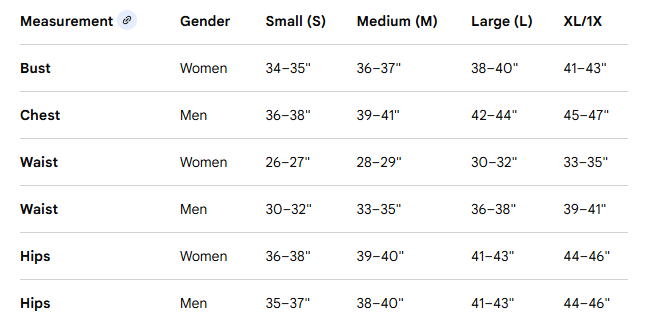
Waist-to-Height & Waist-to-Hip Ratio Calculator-Interpretation Table by Sex (Approximate Sizes)
This table provides a generalized interpretation of measurements (in inches) for ready-to-wear clothing based on standard industry practices.

Use this Waist-to-Height and Waist-to-Hip Ratio Calculator to calculate two common body measurement ratios in one tool. Enter your height, waist circumference, hip circumference, and sex to estimate your waist-to-height ratio, waist-to-hip ratio, related categories, and half-height waist target.

Reviewed by: AjaxCalculators Editorial Team
Last updated: April 29, 2026
Method source: Standard body-ratio formulas using WHtR = waist ÷ height and WHR = waist ÷ hip, with educational category guidance based on published public-health references
Editorial standards: AjaxCalculators Editorial Policy

What This Waist-to-Height and Waist-to-Hip Ratio Calculator Does

This calculator measures two body ratios from one set of measurements: waist-to-height ratio and waist-to-hip ratio. These ratios are often used as simple screening indicators for central body-fat distribution and general health-risk patterns.

The calculator can calculate:

  • Waist-to-height ratio, also called WHtR
  • Waist-to-height category
  • Waist-to-hip ratio, also called WHR
  • Waist-to-hip category
  • Half-height waist target
  • General interpretation

The calculator supports both centimeters and inches. The formula works as long as waist and height use the same unit for WHtR, and waist and hip use the same unit for WHR.

Important Health Note

This calculator is for general education only. It does not diagnose obesity, heart disease, diabetes, metabolic syndrome, or any medical condition. Waist-to-height ratio and waist-to-hip ratio can help describe body measurement patterns, but they should not replace professional medical advice, clinical testing, or a full health assessment.

If you are concerned about your weight, waist size, body composition, blood pressure, blood sugar, cholesterol, pregnancy-related changes, eating disorder history, or any medical condition, speak with a qualified healthcare professional.

What Is Waist-to-Height Ratio?

Waist-to-height ratio, often written as WHtR, compares your waist circumference with your height.

WHtR = waist circumference ÷ height

For example, if your waist is 80 cm and your height is 170 cm:

WHtR = 80 ÷ 170 = 0.47

A common public-health message is to keep your waist measurement below half your height. In ratio form, that means keeping WHtR below about 0.5.

What Is Waist-to-Hip Ratio?

Waist-to-hip ratio, often written as WHR, compares your waist circumference with your hip circumference.

WHR = waist circumference ÷ hip circumference

For example, if your waist is 80 cm and your hips are 95 cm:

WHR = 80 ÷ 95 = 0.84

This ratio gives a simple comparison of waist size relative to hip size. It is often used to describe central body-fat distribution and body-shape pattern.

Waist-to-Height vs Waist-to-Hip Ratio

Ratio Formula Uses Sex Input Needed?
Waist-to-height ratio WHtR = waist ÷ height Compares waist size with body height No
Waist-to-hip ratio WHR = waist ÷ hip Compares waist size with hip size Often used for category interpretation

The live calculator asks for sex because waist-to-hip ratio categories are commonly interpreted differently for men and women. The sex selection does not change the ratio formula itself.

Waist-to-Height Ratio Formula

The waist-to-height ratio formula is:

WHtR = waist circumference / height

Where:

  • WHtR = waist-to-height ratio
  • Waist circumference = measurement around the waist
  • Height = total body height

The waist and height must use the same measurement unit. If your waist is in centimeters, height should also be in centimeters. If your waist is in inches, height should also be in inches.

Waist-to-Hip Ratio Formula

The waist-to-hip ratio formula is:

WHR = waist circumference / hip circumference

Where:

  • WHR = waist-to-hip ratio
  • Waist circumference = measurement around the waist
  • Hip circumference = measurement around the hips

The waist and hip measurements must use the same unit. If waist is measured in centimeters, hips should also be measured in centimeters. If waist is measured in inches, hips should also be measured in inches.

Half-Height Waist Target

The half-height waist target is a simple reference value:

Half-height waist target = height ÷ 2

For example, if your height is 170 cm:

Half-height target = 170 ÷ 2 = 85 cm

This means a waist below 85 cm would be below half of that height. The calculator displays this target as a quick reference, not as a diagnosis.

Waist Ratio Formula Summary

What You Want to Find Formula
Waist-to-height ratio WHtR = waist ÷ height
Waist-to-hip ratio WHR = waist ÷ hip
Half-height waist target height ÷ 2
Waist as percent of height WHtR × 100

Worked Example: Waist-to-Height and Waist-to-Hip Ratio

Suppose you enter:

  • Height: 170 cm
  • Waist circumference: 80 cm
  • Hip circumference: 95 cm

Step 1: Calculate waist-to-height ratio
WHtR = waist ÷ height
WHtR = 80 ÷ 170
WHtR = 0.47

Step 2: Calculate waist-to-hip ratio
WHR = waist ÷ hip
WHR = 80 ÷ 95
WHR = 0.84

Step 3: Calculate half-height waist target
Half-height target = height ÷ 2
Half-height target = 170 ÷ 2
Half-height target = 85 cm

So, for this example, the waist-to-height ratio is 0.47, the waist-to-hip ratio is 0.84, and the half-height waist target is 85 cm.

Worked Example: Using Inches

Suppose you enter:

  • Height: 68 inches
  • Waist: 34 inches
  • Hips: 40 inches

Step 1: Calculate WHtR
WHtR = 34 ÷ 68
WHtR = 0.50

Step 2: Calculate WHR
WHR = 34 ÷ 40
WHR = 0.85

Step 3: Calculate half-height waist target
68 ÷ 2 = 34 inches

So, a 34-inch waist at 68 inches tall gives a waist-to-height ratio of 0.50. The half-height waist target is also 34 inches.

Worked Example: Higher Waist-to-Height Ratio

Suppose you enter:

  • Height: 160 cm
  • Waist: 96 cm
  • Hips: 105 cm

Step 1: Calculate WHtR
WHtR = 96 ÷ 160
WHtR = 0.60

Step 2: Calculate WHR
WHR = 96 ÷ 105
WHR = 0.91

Step 3: Calculate half-height waist target
160 ÷ 2 = 80 cm

In this example, the waist measurement is above half the height. This does not diagnose a disease, but it may be a useful signal to review lifestyle factors and discuss personal risk with a healthcare professional.

How to Use This Waist Ratio Calculator

  1. Select your sex. This is used for waist-to-hip category interpretation only.
  2. Enter your height.
  3. Choose the height unit, such as cm or inches.
  4. Enter your waist circumference.
  5. Choose the waist unit.
  6. Enter your hip circumference.
  7. Choose the hip unit.
  8. Click Calculate.
  9. Review your waist-to-height ratio, waist-to-hip ratio, categories, half-height waist target, and interpretation.
  10. Click Reset to clear the calculator and start again.

How to Measure Your Waist

For a practical waist measurement:

  1. Stand upright and relax your abdomen.
  2. Use a flexible tape measure.
  3. Measure around your waist at a consistent level, often midway between the lowest rib and the top of the hip bone, or according to the method requested by your healthcare provider.
  4. Keep the tape horizontal around the body.
  5. Keep the tape snug but do not compress the skin.
  6. Breathe out normally before reading the measurement.
  7. Record the value in centimeters or inches.

For tracking progress, use the same measurement method each time. Small changes in tape placement can change the result.

How to Measure Your Hips

For waist-to-hip ratio, hip circumference should be measured around the widest part of the hips or buttocks.

  1. Stand with feet close together.
  2. Wrap the tape around the widest part of the hips and buttocks.
  3. Keep the tape level and parallel to the floor.
  4. Do not pull the tape so tight that it compresses the body.
  5. Record the measurement in the same unit used for waist circumference.

If you are tracking changes over time, measure in the same place and under similar conditions each time.

How to Interpret Waist-to-Height Ratio

Waist-to-height ratio categories vary by reference, but a common adult screening approach is:

WHtR General Category Plain-Language Meaning
Below 0.40 Below common healthy central-adiposity range Interpret with BMI, health status, and clinical context
0.40 to 0.49 Healthy central adiposity range Often interpreted as no increased central-adiposity risk
0.50 to 0.59 Increased central adiposity Waist is at least half of height
0.60 or higher High central adiposity Further increased screening concern

These categories are screening references only. They do not replace a full medical evaluation.

How to Interpret Waist-to-Hip Ratio

Waist-to-hip ratio interpretation often uses sex-specific categories because body-fat distribution differs between men and women. Exact thresholds can vary by source and population.

Sex Lower WHR Pattern Higher WHR Screening Concern
Men Lower values generally indicate less central fat distribution Values around or above 0.90 are often treated as a higher-risk screening range
Women Lower values generally indicate less central fat distribution Values around or above 0.85 are often treated as a higher-risk screening range

Waist-to-hip ratio should be interpreted carefully. Ethnicity, age, body shape, muscle mass, pregnancy history, and measurement technique can affect the result.

WHtR and WHR Result Table

Result What It Means Formula
Waist-to-height ratio Waist size compared with height waist ÷ height
Waist-to-height category General central-adiposity screening category based on WHtR
Waist-to-hip ratio Waist size compared with hip size waist ÷ hip
Waist-to-hip category General body-fat distribution category based on WHR and sex
Half-height waist target Reference waist value equal to half your height height ÷ 2

Why Waist Measurements Matter

Waist measurements can provide information that body weight alone does not show. Two people may have the same weight or BMI but different waist measurements and different body-fat distribution patterns.

Central fat distribution is often discussed because fat stored around the abdomen can be associated with metabolic and cardiovascular risk patterns. However, waist ratios are only screening tools. A healthcare provider may also consider BMI, blood pressure, blood sugar, cholesterol, family history, physical activity, diet, sleep, medications, and other clinical information.

Waist-to-Height Ratio vs BMI

BMI uses weight and height, while waist-to-height ratio uses waist and height. They answer different questions.

Measurement Inputs What It Helps Describe Main Limitation
BMI Weight and height Weight relative to height Does not show fat distribution
Waist-to-height ratio Waist and height Central body size relative to height Does not measure body fat directly
Waist-to-hip ratio Waist and hip Waist size relative to hip size Affected by hip size and body shape

Using more than one measurement can give a more complete picture than using weight alone.

Waist-to-Height Ratio Category Examples

Height Waist WHtR General Interpretation
170 cm 68 cm 0.40 Lower edge of common healthy range
170 cm 80 cm 0.47 Common healthy central-adiposity range
170 cm 85 cm 0.50 At half-height reference point
170 cm 95 cm 0.56 Increased central-adiposity range
170 cm 102 cm 0.60 High central-adiposity range

Waist-to-Hip Ratio Examples

Waist Hip WHR
70 cm 95 cm 0.74
80 cm 95 cm 0.84
90 cm 100 cm 0.90
100 cm 105 cm 0.95
105 cm 105 cm 1.00

The same waist-to-hip ratio may be interpreted differently depending on sex, population, age, and health context.

Why the Calculator Uses Stable Unit Switching

The live calculator states that it uses stable source-value unit switching. This means unit changes should preserve the original measurement and convert from the stored source value instead of repeatedly converting the displayed rounded value.

This matters because repeated unit switching can otherwise cause small rounding drift. For example, changing from centimeters to inches and back should return the same original measurement as closely as possible.

Using Centimeters vs Inches

The formulas work with either centimeters or inches, as long as the matching measurements use the same unit.

Ratio Correct Unit Pairing Incorrect Unit Pairing
WHtR waist in cm ÷ height in cm waist in cm ÷ height in inches
WHtR waist in inches ÷ height in inches waist in inches ÷ height in cm
WHR waist in cm ÷ hips in cm waist in cm ÷ hips in inches
WHR waist in inches ÷ hips in inches waist in inches ÷ hips in cm

The calculator’s unit dropdowns help avoid this problem by converting values before calculation.

Common Unit Conversions

Conversion Value
1 inch 2.54 cm
1 cm 0.3937 inches
1 foot 12 inches
1 meter 100 cm

When Waist Ratios Can Be Useful

Waist ratios can be useful for quick screening and tracking because they are simple, inexpensive, and easy to repeat.

They may be useful for:

  • checking waist size relative to height
  • comparing waist size with hip size
  • tracking body measurement changes over time
  • adding context beyond body weight alone
  • screening for central body-fat distribution patterns
  • discussing body measurement trends with a healthcare professional

When Waist Ratios Are Not Enough

Waist ratios do not measure everything about health. A person can have a “normal” waist ratio and still have high blood pressure, abnormal cholesterol, high blood sugar, low fitness, or other health concerns. A person can also have a higher waist ratio and need individualized evaluation rather than a simple label.

For a fuller health picture, consider:

  • BMI or body weight trend
  • blood pressure
  • fasting glucose or A1C when appropriate
  • cholesterol and triglycerides
  • family history
  • physical activity level
  • diet quality
  • sleep and stress
  • smoking status
  • medical conditions and medications

Tracking Progress Over Time

If you use this calculator for progress tracking, use consistent measurement conditions.

  • Measure at the same time of day when possible.
  • Use the same tape measure.
  • Use the same measurement landmarks.
  • Stand in a relaxed posture.
  • Do not pull the tape too tight.
  • Record measurements before making major conclusions from one reading.
  • Look at trends over several weeks rather than daily changes.

Waist and hip measurements can fluctuate with hydration, meals, digestion, posture, menstrual cycle, training, and measurement technique.

Waist Ratio and Body Shape

Waist-to-hip ratio is also related to body-shape pattern because it compares waist size with hip size. A lower WHR usually means the waist is smaller relative to the hips, while a higher WHR means the waist is closer to hip size or larger.

This can be useful for body-shape descriptions, clothing fit, and general measurement tracking. However, body shape is not the same as health status. Health interpretation should be handled carefully and individually.

Who Should Be Careful With Interpretation?

Use extra caution when interpreting waist ratios for:

  • children and teens
  • pregnant or recently postpartum people
  • people with large muscle mass
  • athletes
  • older adults with body-composition changes
  • people with abdominal bloating, swelling, or medical conditions affecting body shape
  • people with an eating disorder history or body-image distress
  • people from populations where standard cutoffs may not fit well

For these cases, professional interpretation is better than relying on a calculator category alone.

Common Mistakes to Avoid

  • Do not mix centimeters and inches in the same ratio.
  • Do not measure the waist over thick clothing.
  • Do not pull the tape so tightly that it compresses the body.
  • Do not measure the hip at a narrow point instead of the widest point.
  • Do not use one measurement to diagnose a medical condition.
  • Do not compare your result directly with someone of a very different age, sex, ethnicity, or body type.
  • Do not assume waist ratios measure body fat percentage directly.
  • Do not ignore other health markers such as blood pressure, blood sugar, and cholesterol.
  • Do not use this calculator as a substitute for medical care.

Important Assumptions and Limitations

  • This calculator assumes accurate height, waist, and hip measurements.
  • It assumes waist and height are converted into the same unit before WHtR is calculated.
  • It assumes waist and hip are converted into the same unit before WHR is calculated.
  • It uses sex only for waist-to-hip interpretation.
  • It does not measure body fat percentage.
  • It does not diagnose obesity, metabolic syndrome, diabetes, heart disease, or any medical condition.
  • It does not account for pregnancy, age, ethnicity, muscle mass, medical conditions, or individual risk factors.
  • It provides general educational categories only.
  • For clinical decisions, use professional medical advice and appropriate health testing.

Practical Uses

This Waist-to-Height and Waist-to-Hip Ratio Calculator can be useful for:

  • calculating WHtR quickly
  • calculating WHR quickly
  • checking the half-height waist target
  • tracking body measurements over time
  • adding context beyond body weight alone
  • comparing waist, height, and hip measurements
  • fitness and wellness tracking
  • educational body-measurement examples
  • starting a discussion with a healthcare professional

When You May Need a Different Calculator

This calculator is best for waist-to-height and waist-to-hip ratios. You may need another calculator if you want to calculate:

  • BMI
  • body fat percentage
  • ideal weight
  • maintenance calories
  • BMR
  • calorie deficit
  • body shape category
  • waist-to-height ratio only
  • waist-to-hip ratio only

References

  1. AjaxCalculators live Waist-to-Height & Waist-to-Hip Ratio Calculator
  2. NICE NG246: Identifying and Assessing Overweight, Obesity and Central Adiposity
  3. NHS: Calculate Your Waist to Height Ratio
  4. World Health Organization: Waist Circumference and Waist-Hip Ratio
  5. Heart Foundation: Waist Measurement and Heart Health
  6. British Heart Foundation: Why Your Waist Size Matters

Related Calculators

Disclaimer: This calculator provides general educational waist-ratio estimates only. Waist-to-height ratio and waist-to-hip ratio can help describe body measurement patterns, but they do not diagnose obesity, diabetes, heart disease, metabolic syndrome, or overall health risk. For personal health decisions, use professional medical advice and appropriate clinical measurements such as blood pressure, blood sugar, cholesterol, BMI, medical history, and physical examination when needed.

More of our calculators...

Protein Calculator

Estimate daily protein requirements using body weight, goals, calorie intake, and meal distribution. View ranges and protein targets.

Macro Calculator

Estimate calories, BMR, TDEE, protein, carbohydrate, and fat targets using body measurements, activity level, and fitness goals.

Water Intake Calculator

Estimate daily water intake based on body weight, exercise time, climate, and hydration adjustments. Convert results into cups, bottles, and fluid ounces.

Creatinine Clearance Calculator

Estimate creatinine clearance using the Cockcroft–Gault equation with age, sex, weight, height, and serum creatinine values.

Cycling Calorie Calculator

Estimate calories burned while cycling using body weight, distance, duration, ride type, effort level, and elevation gain.

One Rep Max Calculator

Estimate your one rep max (1RM) using lifted weight and repetitions. View strength estimates, training percentages, and common prediction formulas.

Hiking Calorie Calculator

Estimate calories burned during hiking using body weight, duration, distance, elevation gain, backpack weight, and terrain difficulty.

Blood Pressure Category Calculator

Calculate blood pressure category, pulse pressure, and mean arterial pressure using systolic and diastolic readings. Learn how blood pressure ranges are interpreted.

Heart Age Calculator

Estimate heart age using blood pressure, cholesterol, smoking, diabetes, BMI, and other cardiovascular risk factors. Understand how heart age compares with actual age.