Blood Pressure Category Calculator
Enter systolic and diastolic blood pressure to classify the reading and estimate pulse pressure and mean arterial pressure.
Results
This calculator is for general education only. It does not diagnose hypertension, low blood pressure, or any medical condition. If a reading is very high, repeat it after resting; if it remains high or symptoms such as chest pain, shortness of breath, weakness, vision changes, or difficulty speaking occur, seek urgent medical help.
The Blood Pressure Category Calculator classifies an adult systolic and diastolic reading, then calculates pulse pressure and an estimated mean arterial pressure (MAP). A single home reading can be informative, but only a healthcare professional can diagnose hypertension or determine treatment.
Urgent warning: If a reading is higher than 180 systolic and/or 120 diastolic, repeat it after at least one minute. Seek immediate emergency help when that level occurs with symptoms such as chest pain, shortness of breath, weakness, numbness, vision change or difficulty speaking.
Enter the top and bottom numbers correctly
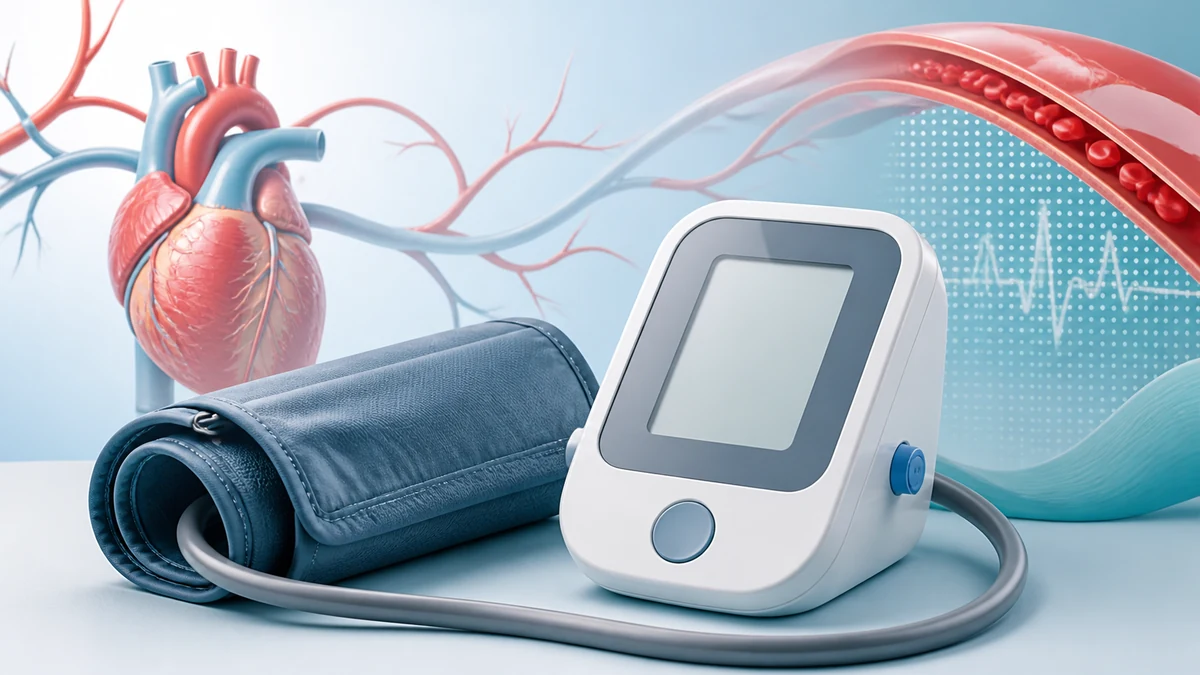
Systolic pressure is the upper number and reflects pressure when the heart contracts. Diastolic pressure is the lower number and reflects pressure between beats. Both are entered in millimeters of mercury, written mm Hg.
If the two numbers fall into different categories, adult U.S. guidance generally uses the higher category. The tool applies that rule to the entered pair.
Adult blood pressure categories
- Normal: below 120 systolic and below 80 diastolic
- Elevated: 120–129 systolic and below 80 diastolic
- Stage 1: 130–139 systolic or 80–89 diastolic
- Stage 2: 140 or higher systolic or 90 or higher diastolic
- Severe range: higher than 180 and/or higher than 120
Different countries, pregnancy protocols and pediatric guidance may use other thresholds. This calculator is designed for general adult interpretation, not those specialized situations.
Pulse pressure and estimated MAP
Pulse pressure = systolic − diastolic. For a reading of 120/80, pulse pressure is 40 mm Hg. A common resting estimate is MAP ≈ diastolic + pulse pressure ÷ 3, producing about 93.3 mm Hg in that example.
These derived values add context but do not replace clinical evaluation. The simple MAP equation is an approximation and can be less suitable when the heart rhythm or rate is unusual.
Measurement technique can move the category
Rest quietly, use a validated upper-arm device and select a cuff that fits. Sit with back supported, feet flat, legs uncrossed and the arm supported near heart level. Avoid talking during the measurement.
Recent exercise, nicotine, caffeine, pain, stress or a full bladder can temporarily affect a result. Follow the device instructions and a clinician’s schedule for repeat readings.
One reading is not a diagnosis
Home monitoring is most useful as a series with dates, times and notes. Repeat an unexpected measurement after resting and record both values. Bring the monitor and log to an appointment if readings remain outside the range recommended for you.
Keep a measurement log that can be reviewed
Record the date, time, arm, posture and relevant circumstances beside each reading. A consistent morning and evening schedule may reveal a pattern that isolated checks miss. Do not selectively record only the highest or lowest value.
If a home monitor repeatedly produces surprising results, bring it to an appointment so technique and device performance can be compared with a clinical measurement.
Common input and interpretation mistakes
- Reversing systolic and diastolic values
- Using a cuff that is too small
- Measuring immediately after activity
- Ignoring the higher of the two categories
- Changing medicine because of one calculator result
Related cardiovascular tools
Use the Heart Age Calculator only as a broader educational comparison. The BMI Calculator covers a separate screening measure and cannot explain a blood-pressure reading.
Blood Pressure Category Calculator FAQ
Which number matters more?
Both matter. When they fall in different categories, the higher adult category generally controls the classification.
Can anxiety raise a reading?
Stress can affect blood pressure. Repeat measurements under standardized conditions and discuss a persistent pattern with a professional.
Is this calculator suitable during pregnancy?
No. Pregnancy requires dedicated clinical thresholds and evaluation.
Thresholds and emergency advice follow the American Heart Association blood pressure categories.